Process Guide
How Perique Is Made: Barrels, Presses and Time
Perique is made by air-curing the leaves briefly, rolling them into twists, then packing them into whiskey barrels under heavy pressure to ferment without air for about a year.
Updated · Louisiana Cigars Editorial Team
Back to Perique Tobacco →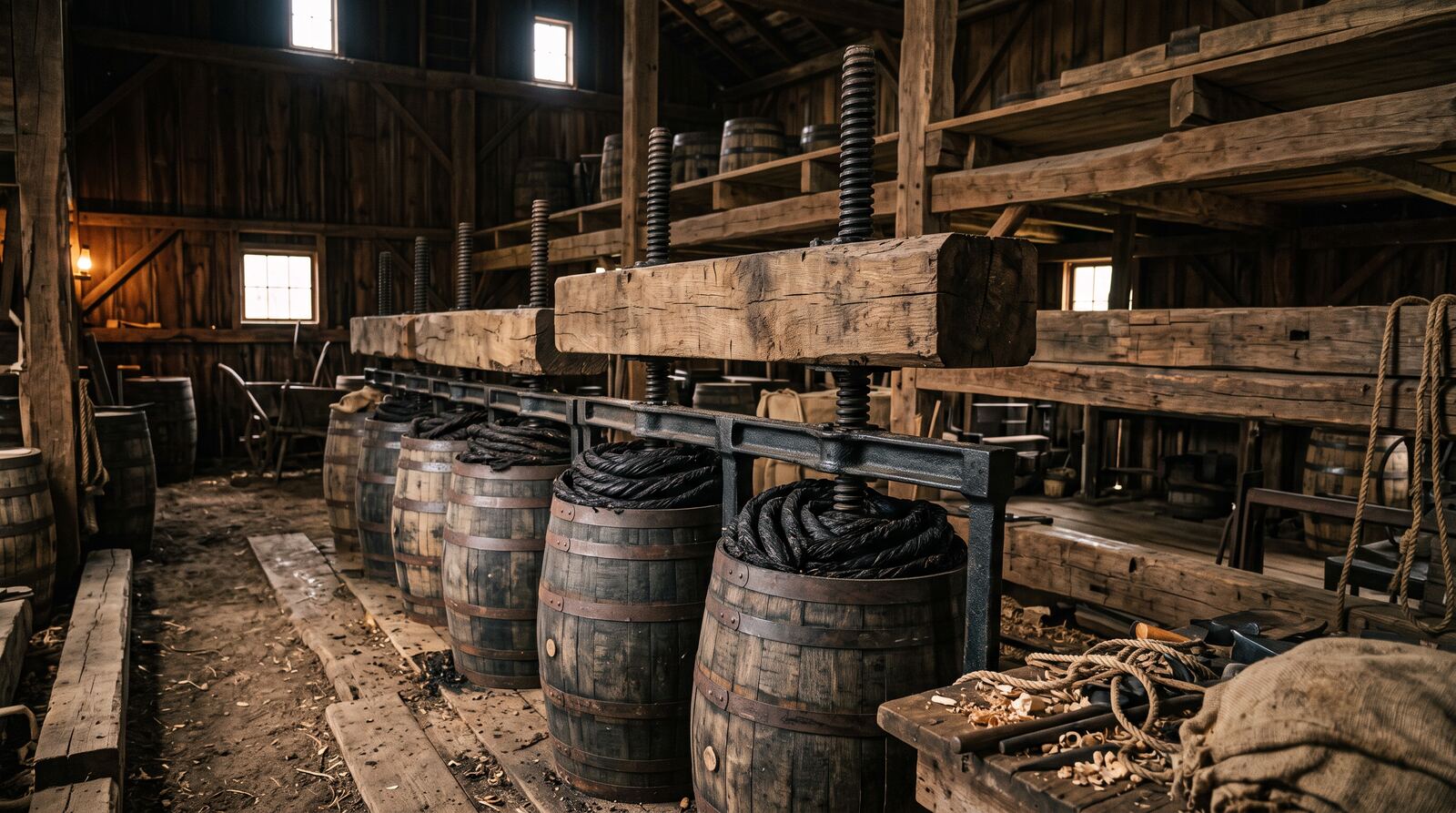
The way perique is made is what makes it unique. Many tobaccos are fermented in large piles exposed to air. Perique is the opposite: it is squeezed until almost all the air is gone, then left under pressure to ferment slowly in its own juices.
The Perique Process, Step by Step
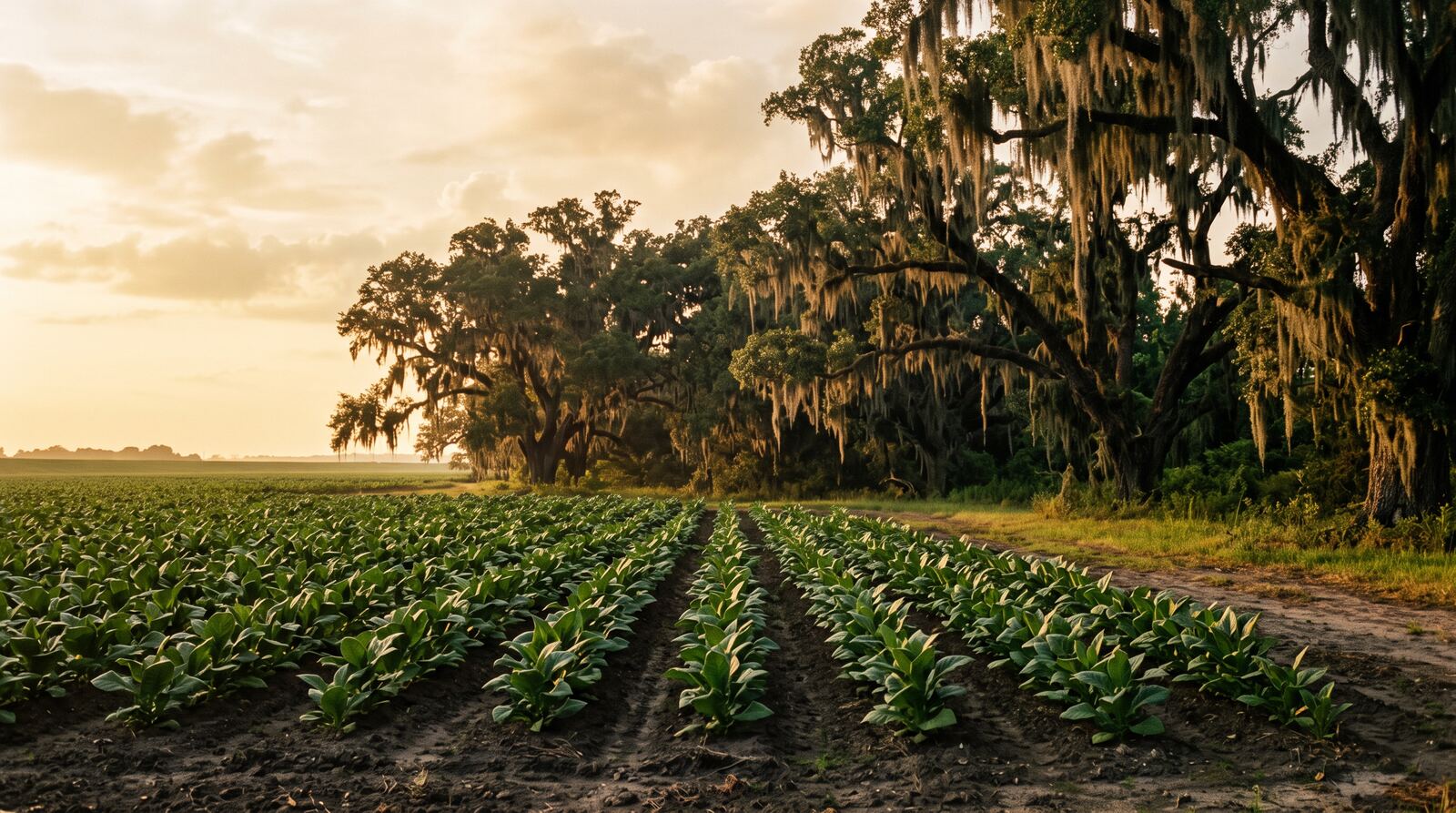
- Growing. Plants are topped and kept free of suckers, typically pruned to about a dozen leaves so each leaf grows thick and rich.
- Harvest. Plants are harvested in early summer, traditionally late June, when they stand roughly two to two and a half feet tall.
- Air-curing. The leaves hang in open-sided barns for a short cure — usually under two weeks, much shorter than many tobaccos.
- Stemming. Leaves are moistened and the central stems removed by hand.
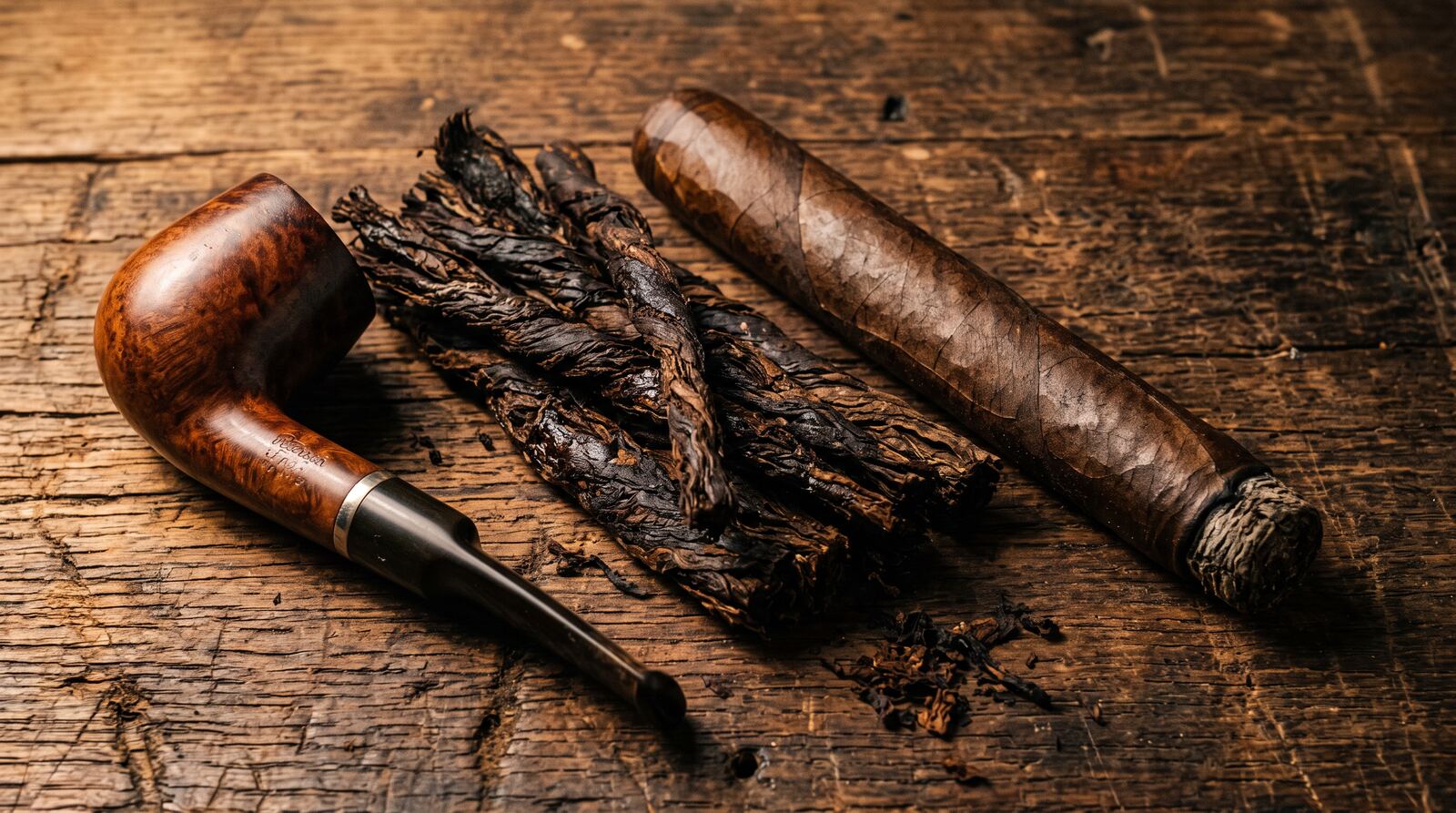
- Twisting. The leaves are rolled into twists called torquettes, each weighing about a pound.
- Pressing. The torquettes are packed into hardwood whiskey barrels and pressed with oak blocks and screw jacks, forcing out nearly all the air.
- Working the tobacco. Roughly once a month, the pressure is released, the twists are turned and worked by hand, and then repacked and pressed again.
- Finishing. After about a year, the perique is ready. It can be held under pressure for years; long exposure to air degrades its character.
Quick answer: Perique is grown and briefly air-cured, then hand-stemmed, rolled into one-pound twists and pressed into whiskey barrels with screw jacks. It ferments without air for about a year, with the pressure released and the tobacco worked roughly monthly.
Perique vs. Typical Cigar Tobacco Processing
| Typical cigar tobacco | Perique | |
|---|---|---|
| Curing | Air-cured for several weeks | Air-cured briefly, usually under two weeks |
| Fermentation | Large piles (pilones) that breathe and heat | Pressed in barrels with almost no air |
| Duration | Weeks to months | About a year, sometimes longer |
| Result | Mellowed leaf for filler, binder and wrapper | Dark, moist, intensely aromatic condiment leaf |
Our sister site explains standard cigar fermentation and aging if you'd like to compare the two in detail.
Why Pressure Fermentation Works
With the air squeezed out, fermentation proceeds anaerobically. The tobacco's own moisture and sugars drive a slow transformation that produces a wide range of aromatic compounds — the source of perique's dark-fruit, wine-like and tangy notes. Releasing and reworking the twists each month keeps the process even throughout the barrel.
Why Whiskey Barrels?
Hardwood barrels are sturdy enough to withstand the enormous pressure of the screw jacks and hold the twists tightly packed for months. Their strength, rather than any whiskey flavor, is the main reason they are used; the tobacco's character comes from the anaerobic fermentation itself.
A Small, Specialized Crop
Perique production is small and labor-intensive, carried out by a limited number of growers in St. James Parish. That scarcity, and the year-long process, is why perique is valued as a blending tobacco rather than smoked in quantity.
Where Perique Goes Next
Most finished perique is sold to pipe-tobacco blenders, with smaller amounts going into cigars and cigarettes. Learn more about its flavor and uses in our perique tobacco guide.
Frequently Asked Questions
How is perique tobacco made?
Leaves are briefly air-cured, hand-stemmed and rolled into twists, then pressed into whiskey barrels with screw jacks to ferment without air for about a year.
How long does perique take to make?
Perique ferments under pressure for about a year, and it can be kept under pressure for years after that.
What is a torquette?
A torquette is a hand-rolled twist of perique leaves, typically weighing about one pound, that is packed into a barrel for pressing.
Why is perique pressed?
Pressing forces out the air so the tobacco ferments anaerobically, producing perique's intense fruity, wine-like aroma.
How often is perique reworked?
Roughly once a month the pressure is released and the twists are worked by hand before being repressed.