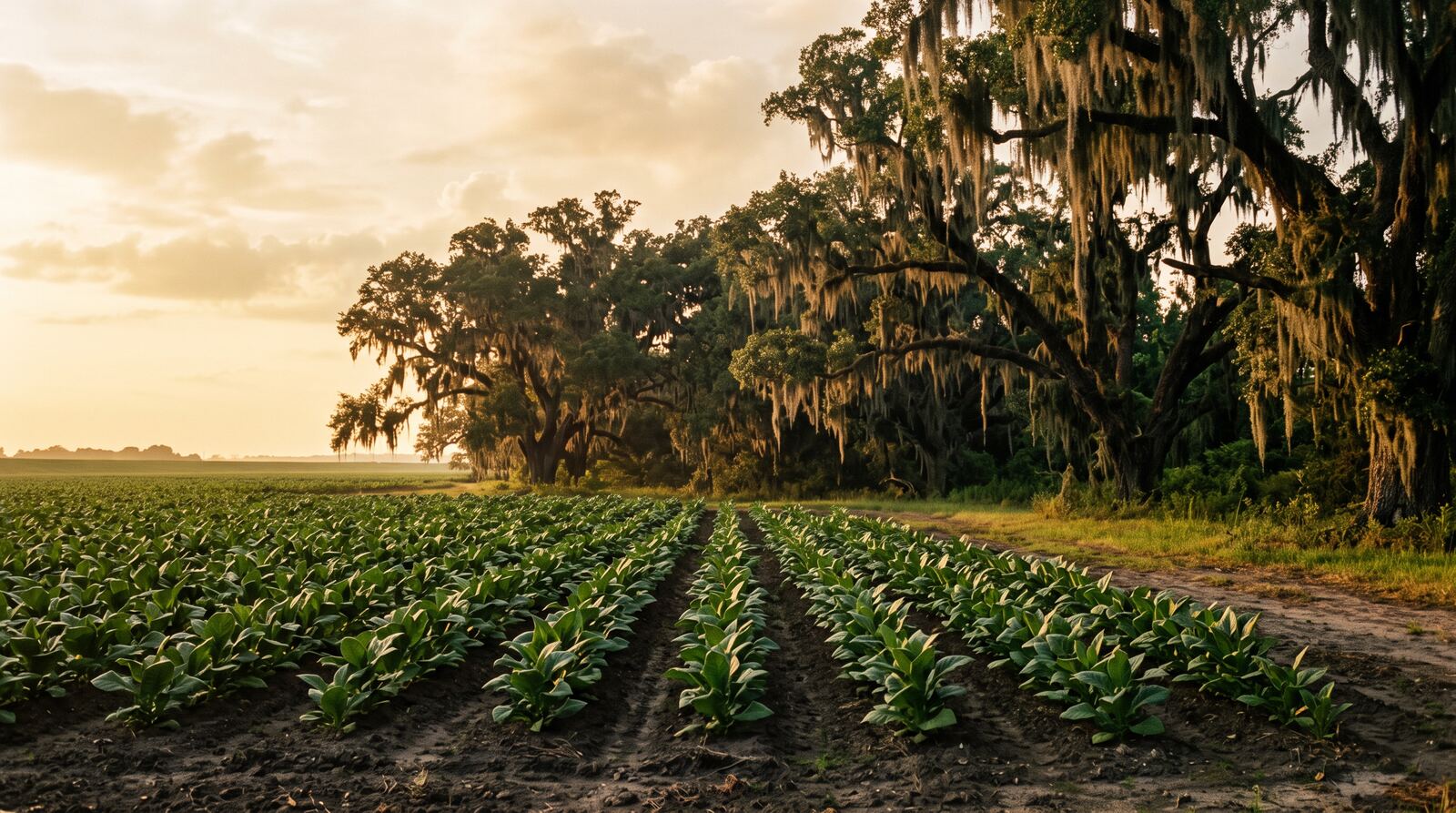
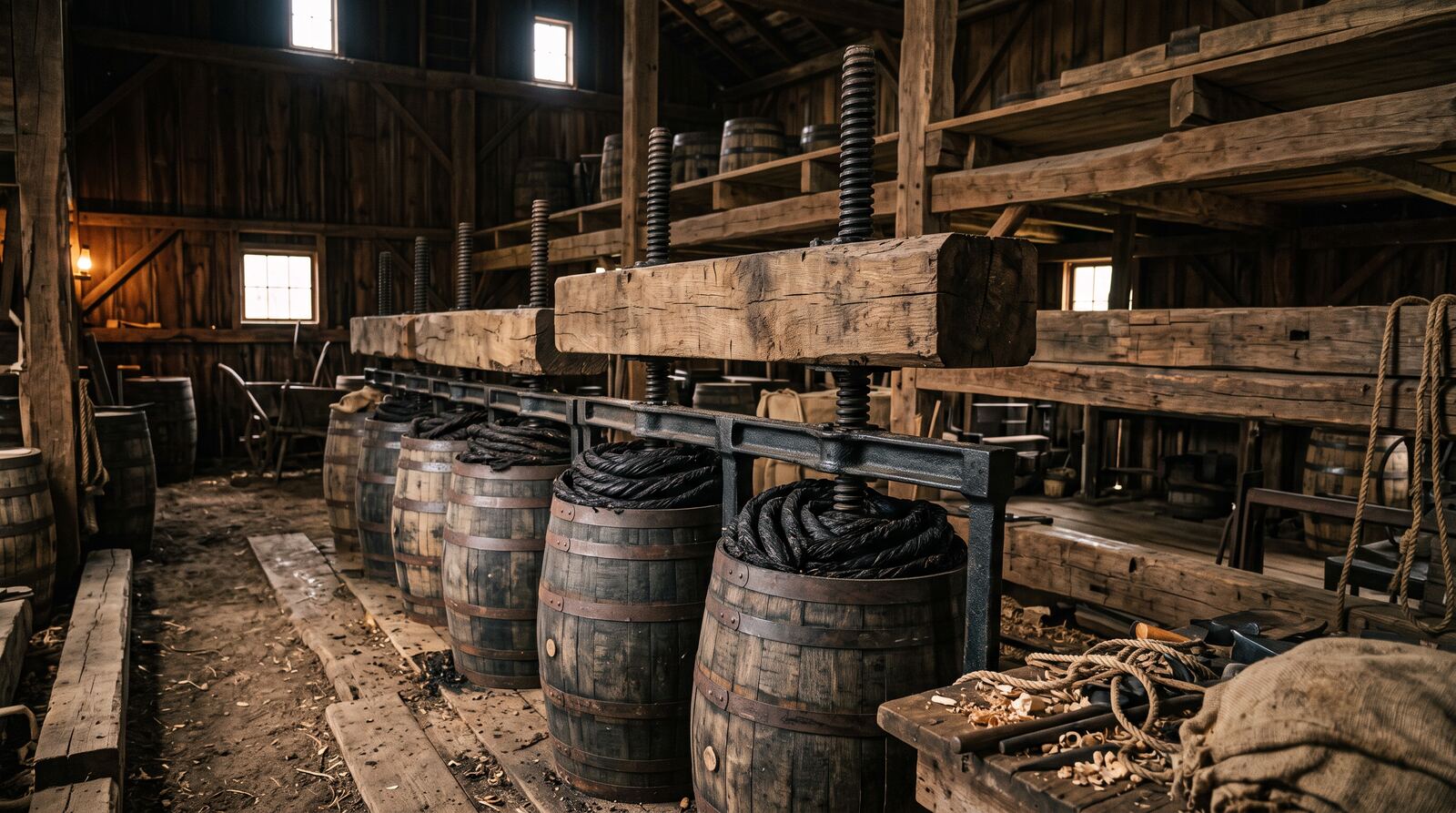
Louisiana isn't the first place most people associate with tobacco, but it is home to one of the rarest and most distinctive tobaccos in the world. Perique, grown in a small area of St. James Parish along the Mississippi River, is fermented under pressure in barrels for a year or more. Add New Orleans' history as a busy 19th-century cigar town, and Louisiana has a cigar story all its own.
This is an independent, educational guide. We do not sell tobacco and are not owned by any grower or manufacturer; some pages contain labeled affiliate links.
Louisiana Cigar Facts at a Glance
| Topic | Key fact |
|---|---|
| Signature tobacco | Perique, grown around Grand Point in St. James Parish |
| How it's made | Pressed in barrels and fermented without air for about a year |
| Main use | A blending tobacco in pipe blends; also in some cigars and cigarettes |
| Cigar heritage | New Orleans was a significant cigar-making city in the 19th and early 20th centuries |
| State tax | H.B. 325 caps the tax at 50 cents on cigars invoiced at $2.50+ (Jan. 1, 2026–Dec. 31, 2027) |
Perique: The Truffle of Tobacco
Perique is often described as the truffle of tobaccos: rare, pungent and used in small amounts to transform a blend. Its fruity, wine-like aroma comes from fermentation without air. Most perique goes into pipe tobacco blends, but a handful of cigars blend it into the filler. Read the full story in our perique tobacco guide and see how perique is made.
Cigars With Perique
Because perique is strong and scarce, cigar makers use it sparingly. Examples documented in the cigar press include the Mysterioso cigar from Battleground Cigar (a Connecticut Valley Tobacconist brand), which uses St. James Parish perique in the filler, and the 1881 Perique line from Tabacalera, the historic Philippine cigar maker. Expect dark fruit, pepper and a slightly tangy, fermented note.
New Orleans and the Cigar
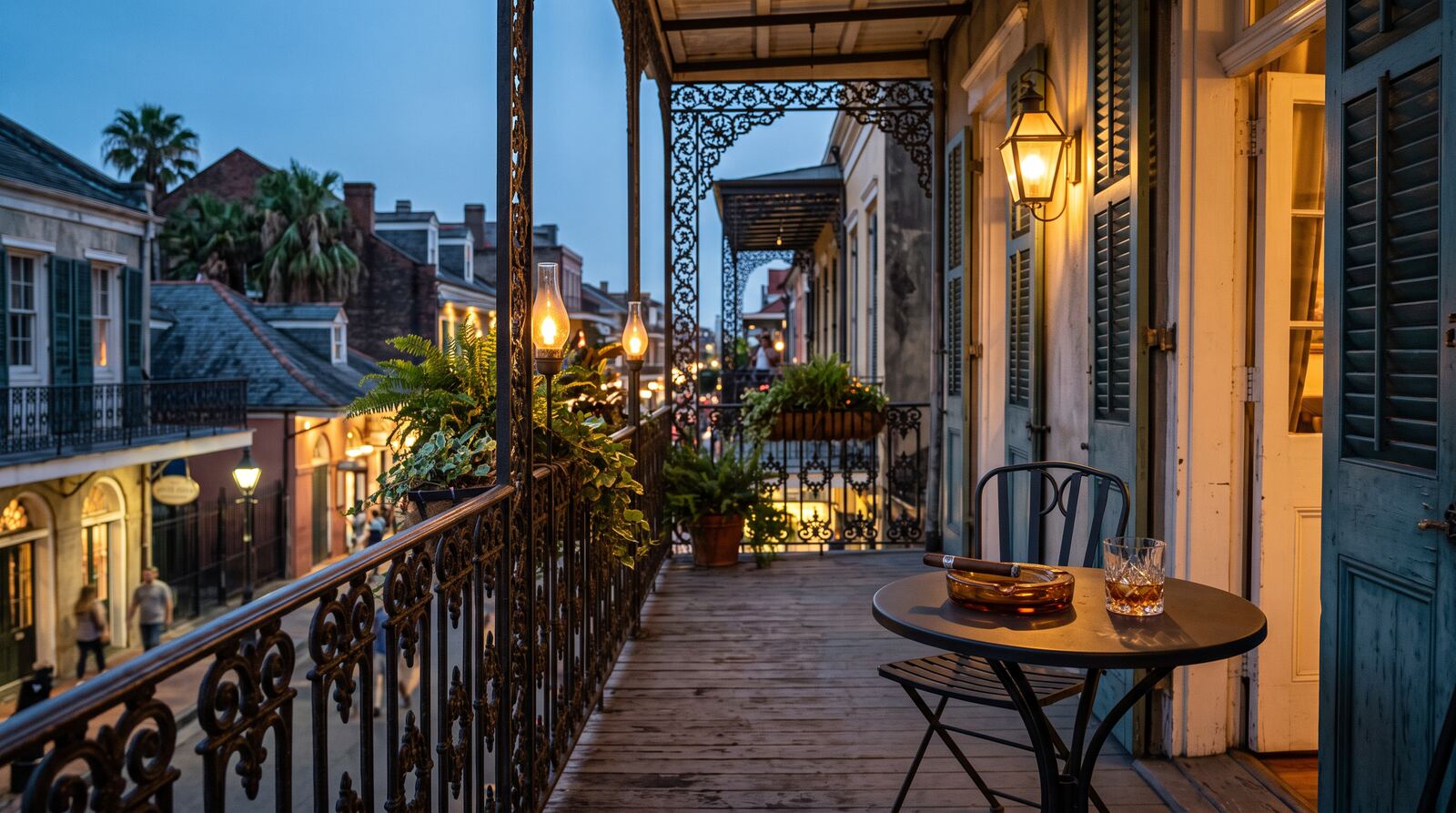
New Orleans' port connected it to Cuba and the Caribbean, and in the 19th century the city supported many cigar makers and brands. Today a few French Quarter shops keep hand-rolling alive. Explore New Orleans cigar history.
Southern Tobacco Traditions
Louisiana's perique is one of several distinctive American tobaccos. Kentucky's fire-cured leaf is another; our sister site covers fire-cured tobacco.
Part of a Larger Map
Louisiana Cigars is one of the guides in the Cigars North America network, a collection of independent guides to the world's cigar regions.
Where to buy (affiliate link): Exploring premium cigars? Try a cigar sampler and keep them fresh in a humidor from Famous Smoke Shop. Famous Smoke Shop is a licensed U.S. retailer that requires customers to be 21 or older. If you buy through this link we may earn a commission at no extra cost to you. Affiliate disclosure.
Frequently Asked Questions
What is Louisiana known for in tobacco?
Louisiana is known for perique, a rare, pressure-fermented tobacco grown only in St. James Parish.
Where is perique grown?
Perique is grown in St. James Parish, Louisiana, centered on the Grand Point area along the Mississippi River.
Are there cigars made with perique?
Yes, a few. Examples include Battleground Cigar's Mysterioso and Tabacalera's 1881 Perique line, which blend perique into the filler.
Was New Orleans a cigar-making city?
Yes. New Orleans had many cigar makers and brands in the 19th and early 20th centuries, and a few shops still hand-roll cigars today.
Does Louisiana cap its cigar tax?
Yes. H.B. 325 caps the state tax at 50 cents per cigar for cigars invoiced at $2.50 or more, from Jan. 1, 2026 through Dec. 31, 2027.